
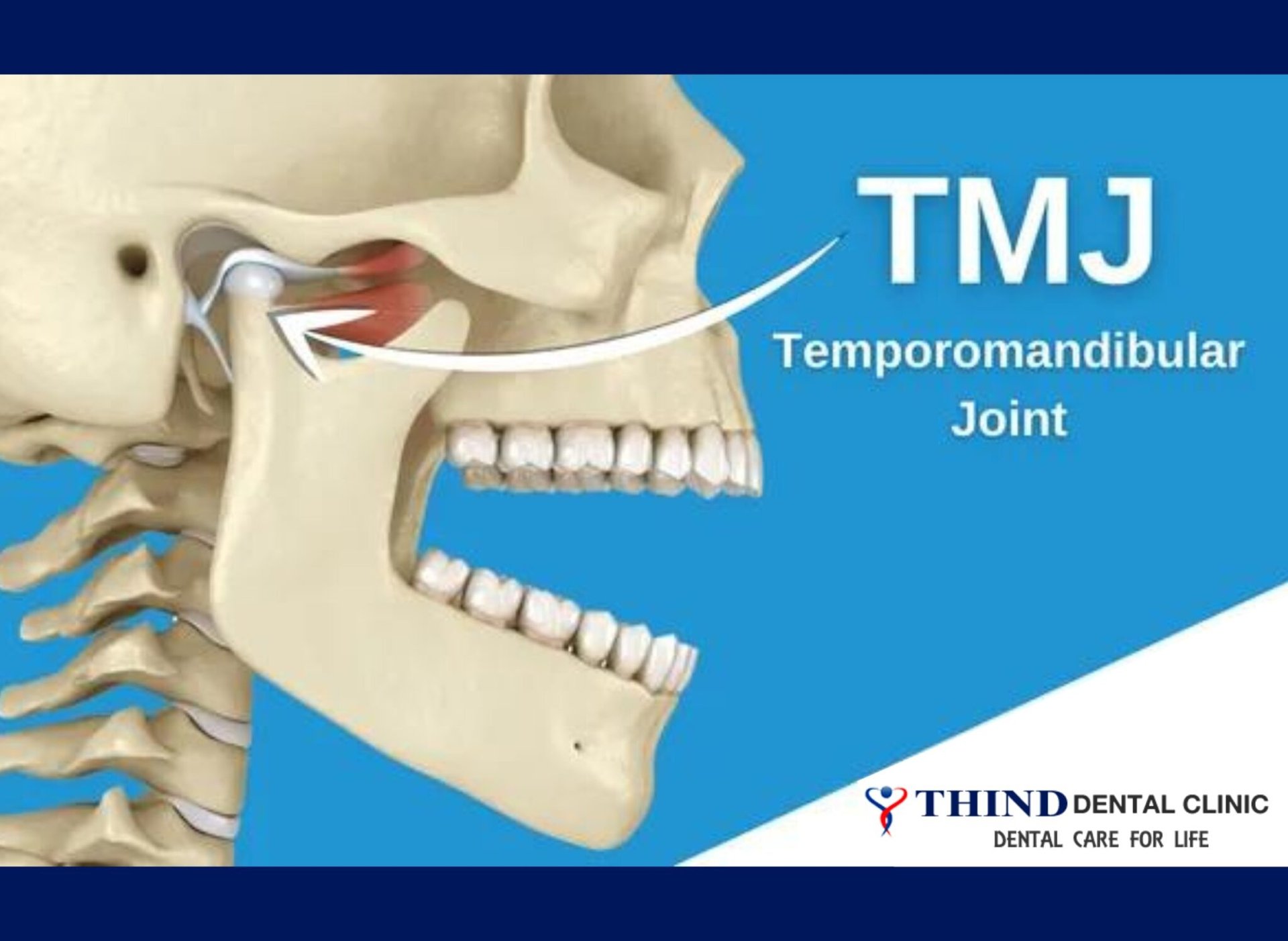
TMJ Disorder (Temporomandibular Joint Disorder) affects the jaw joint and surrounding muscles, causing pain, stiffness, and difficulty with jaw movement. Treatment ranges from self-care and physical therapy to medications and, in severe cases, surgery.
🦷 What Is TMJ Disorder?
TMJ Disorder—also called TMD—refers to problems with the temporomandibular joints, which connect your jawbone to your skull. These joints help you chew, speak, and open or close your mouth. When they become inflamed or misaligned, symptoms can develop.
Common Symptoms:
Jaw pain or tenderness
Clicking, popping, or grinding sounds when moving the jaw
Difficulty opening or closing the mouth
Headaches or migraines
Earaches or ringing in the ears
Neck or shoulder pain
Tooth pain or jaw locking
🔍 Causes of TMJ Disorder
Teeth grinding or clenching (bruxism)
Jaw injury or trauma
Arthritis in the jaw joint
Stress-related muscle tension
Misaligned bite or dental issues
✅ Treatment Options
1. Self-Care & Lifestyle Adjustments
Eat soft foods and avoid chewing gum or hard items
Apply warm compresses or ice packs to reduce pain
Practice jaw relaxation techniques and good posture
Avoid habits like nail biting or leaning on your chin
2. Medications
Pain relievers and anti-inflammatories (e.g., ibuprofen)
Muscle relaxants for jaw tension
Low-dose antidepressants to manage chronic pain and bruxism
3. Therapies
Physical therapy: Jaw exercises, ultrasound, and TENS (electrical stimulation)
Oral splints or mouth guards: Help reduce clenching and reposition the jaw
Counseling: Identifying and changing habits that worsen symptoms
4. Procedures (for severe cases)
Arthrocentesis: Flushing the joint to remove debris
Corticosteroid injections: Reduce inflammation
TMJ arthroscopy or open-joint surgery: Used when structural issues are present
Modified condylotomy: Surgery on the jawbone to relieve locking
🧘 Complementary Treatments
Acupuncture
Biofeedback and relaxation techniques
Stress management
Educational Note: TMJ disorders are often manageable with conservative care. Early diagnosis and a personalized treatment plan can significantly improve comfort and jaw function.